
Ozone-Based Sessions
Ozone Sauna
An Ozone sauna is a non-invasive wellness treatment that combines the purifying properties of medical-grade ozone (O3) with the restorative effects of moist heat or steam in a specialized pod or cabinet. During the typical 30-minute session, the user sites comfortably inside the chamber with their head remaining outside the top to avoid direct inhalation of the gas. As the steam elevates the body’s temperature and induces sweating, the skin’s pores open wide, allowing ozone to be absorbed transdermally into the bloodstream, lymphatic system, and fatty tissues. The procedure is widely valued for its ease and relaxation; users generally sit nude on a towel in a private environment, and many find the experience revitalizing, often reporting a sense of “calm clarity” or an immediate boost in energy afterward.
The benefits of ozone sauna therapy are multifaceted, primarily centered on systemic detoxification and immune system modulation. By oxidizing toxins such as heavy metals and pollutants the therapy assists the body in purging impurities through the skin, which can spare the liver and kidneys from excessive metabolic load. It also stimulates the production of white blood cells to bolster defenses against bacteria, viruses, and fungi, while simultaneously reducing chronic inflammation and oxidative stress. Furthermore, the combination of heat and ozone circulation and tissue oxygenation, which can accelerate muscle recovery for athletes, support weight loss by boosting metabolism, and improve overall skin texture and tone.
While an ozone sauna session is considered a non-invasive wellness tool, it carries specific risks, primarily related to accidental gas inhalation and individual physiological reactions. Because medical-grade ozone is a powerful oxidizer, its direct inhalation can cause immediate respiratory distress, including coughing, chest tightness, burning eyes, and nausea. In severe cases of prolonged exposure, inhalation can lead to more serious complications like pulmonary edema (fluid in the lungs) or permanent airway inflammation. To mitigate these risks, modern sauna cabinets are designed to keep the head outside the chamber, though users must still ensure the treatment area is well-ventilated to prevent ambient ozone buildup.
Beyond inhalation risks, some users may experience a temporary “healing crisis” known as a Herxheimer reaction. As the therapy stimulates detoxification, the rapid release of toxins into the bloodstream can cause flu-like symptoms such as fatigue, headaches, body aches, or a mild fever. Additionally, transdermal ozone exposure can sometimes trigger a localized skin reaction, typically manifesting as an itchy, red rash often
described as “ozone measles”. This reaction is usually transient and may indicate that the ozone concentration is too high for the individual’s current sensitivity level.
Safety depends on strictly adhering to contraindications. Ozone sauna therapy is generally avoided for individuals with:
- Respiratory Conditions: Uncontrolled asthma or severe COPD, due to high sensitivity to even trace amounts of escaped gas.
- Cardiovascular Issues: Recent heart attack (myocardial infarction), unstable angina, or severe cardiovascular instability.
- Specific Genetic/Blood Disorders: G6PD deficiency (favism), which can lead to red blood cell breakdown (hemolysis) when exposed to oxidative stress, as well as active bleeding disorders or severe anemia.
- Other Conditions: Pregnancy (especially the first trimester), uncontrolled hyperthyroidism, organ transplants, or acute alcohol intoxication.
To ensure a safe session, practitioners recommend maintaining high levels of hydration before and after the procedure and avoiding high-dose antioxidant supplements like Vitamin C immediately around the treatment time, as they may neutralize the ozone’s oxidative effect.
Ozone Limb Bagging
Ozone Wound Cupping
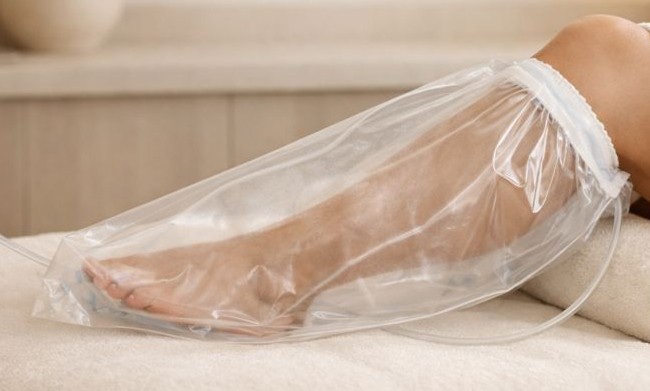
Ozone limb bagging and wound cupping are localized, non-invasive therapies designed to accelerate the healing of chronic or infected wounds by creating a concentrated, oxygen-rich microenvironment. In the limb bagging procedure, an affected extremity like a hand or foot is moistened with water to improve gas absorption and then encased in a medical-grade, ozone-resistant plastic bag. Once sealed, medical-grade ozone is circulated within the bag for 20 to 30 minutes, with modern systems utilizing “destructors” to safely neutralize exiting gas. Wound cupping follows a similar principle but utilizes a specialized suction cup for areas like the torso where bagging is impractical, allowing for a focused treatment of a specific lesion or surgical site. Both methods are generally painless, often described as a mild tingling sensation, and can be administered multiple times per week without the systemic risks associated with invasive surgery.
These therapies are highly valued in functional and restorative medicine for their potent antimicrobial and regenerative effects. Ozone acts as a powerful disinfectant that kills bacteria, viruses, and fungi on contact, making it a critical tool for managing antibiotic-resistant infections and diabetic foot ulcers. By increasing local tissue oxygenation and stimulating the release of growth factors, these procedures promote rapid cellular repair and improve blood flow to oxygen-deprived tissues. This localized circulatory support is particularly effective at reducing inflammation and pain while significantly lowering the risk of amputation in patients with chronic venous ulcers or ischemic conditions.
Ozone Nasal Inhalation Through Oil Bubbles

While direct inhalation of ozone gas is highly toxic and prohibited, bubbling ozone through a specialized oil (typically olive, eucalyptus, or pine) is a common alternative practice in integrative medicine often referred to as Breathing Ozonated Oil (BOO). Proponents claim that filtering ozone through oil chemically converts the harsh gas into ozonides and lipid oxidation products (LOPs), which retain therapeutic properties while purportedly being safe for the delicate tissues of the respiratory tract.
Practitioners and users report several localized benefits for the upper and lower respiratory systems:
- Antimicrobial Action: Ozonides are believed to have antiseptic properties that help eliminate bacterial, viral, and fungal pathogens in the nose, throat, and lungs.
- Respiratory Relief: The therapy is frequently used to address chronic sinusitis, allergies, asthma, bronchitis, and COPD by reducing inflammation and thinning mucus.
- Immune Stimulation: Speculative evidence suggests that inhaling these compounds may stimulate local growth factors and support the immune system’s response to respiratory infections.
- Biofilm Disruption: Some clinical observations indicate it may help break down bacterial biofilms that protect harmful organisms from conventional treatments.
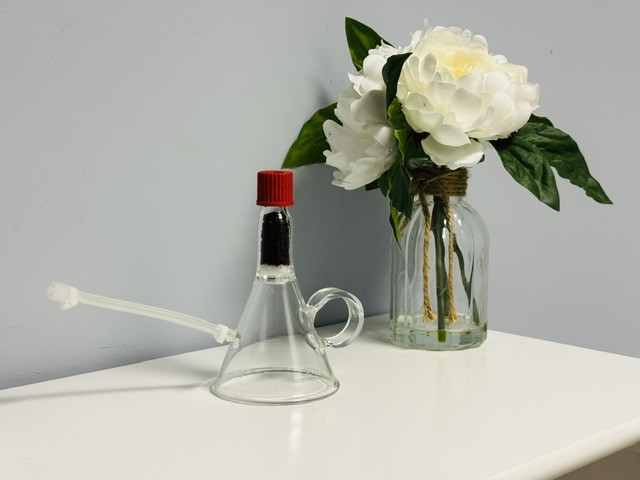
The procedure is typically straightforward and non-invasive: A medical-grade ozone generator is connected to a glass bubbler filled with high-quality oil. The ozone gas is pushed through the oil, and the resulting mist or “nebulized” ozonide molecule is inhaled via a nasal cannula or mask. Unlike raw ozone, which has a pungent, sharp odor, ozonides filtered through oil often have a milder, sometimes pine-like or herbal scent depending on the oil used. Users generally find it non-irritating and may experience immediate clearing of nasal passages or a “cleansing” mucus drainage shortly after. Sessions typically last between 10 and 20 minutes.
It is not intended to diagnose, treat, or cure any disease or medical condition.